English Fun Day With Books

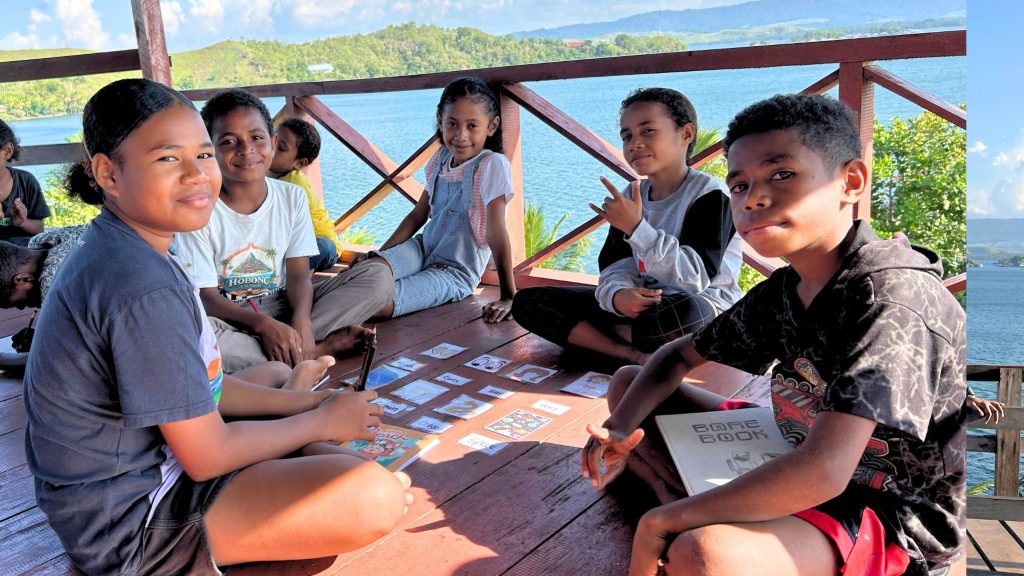
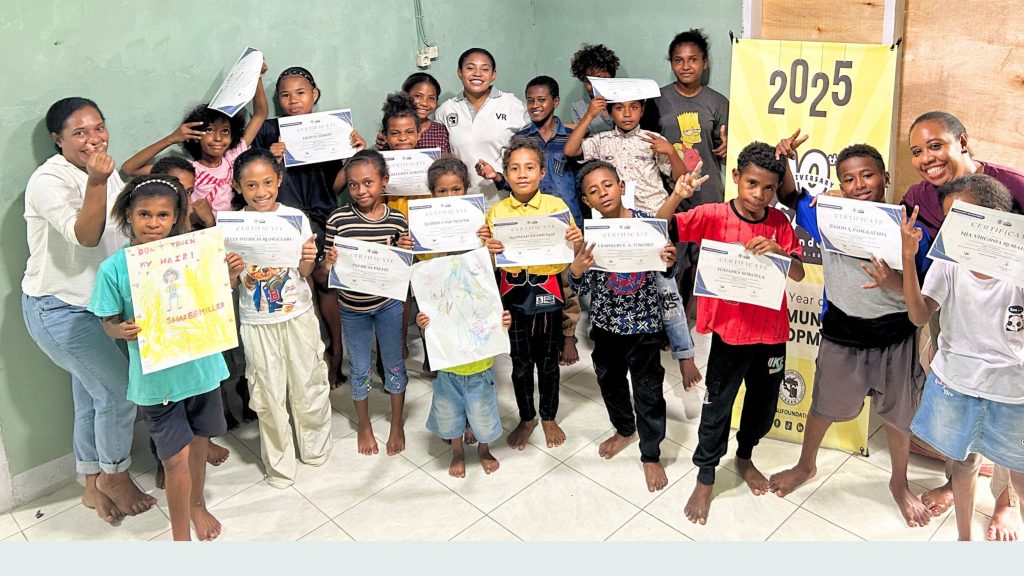
English Fun Day With Books was my first community development project. Together with Ms Diana Kambuaya and Ms Lucia Runggeari, we conducted the project in Hobong Village from July 26 to August 23, 2025. The participants were 15 children from Grades 3–6. The main goal was to introduce basic English literacy in a way that felt fun, safe, and engaging for children.Over five weekly Saturday sessions, we used storybooks, drawing, games, songs, and storytelling activities to help children learn the English alphabet, basic vocabulary, and simple story retelling. All activities were conducted in small groups to ensure inclusivity and focused attention.
I initiated this project after observing that many children in Hobong Village had limited exposure to English learning resources outside of school. English was often seen as difficult, and reading activities were not yet part of children’s daily habits. The lack of accessible storybooks and engaging literacy programs further contributed to low motivation. Through English Fun Day With Books, I wanted to create a learning space where children could experience English as something enjoyable rather than intimidating. This project aligns with SAGU Foundation’s mission to empower communities through education and to strengthen children’s foundational skills from an early age.
The results of the project were encouraging. By the end of the program, most children were able to recognize the English alphabet from A to Z and showed noticeable improvement in basic vocabulary. I also observed increased confidence among participants when reading aloud and retelling stories in front of their peers. One of the most meaningful outcomes was the creation of a Big Book, compiled from the children’s drawings and written words. This book not only reflected their learning progress but also served as a source of pride and motivation for the children.
To assess the effectiveness of the program, I conducted simple pre-tests and post-tests focusing on alphabet recognition and vocabulary comprehension. The results showed clear improvement in learning outcomes after the five sessions. In addition, informal feedback from parents indicated positive changes, such as children practicing English words at home and showing excitement before each session. Although the survey methods were simple, they provided valuable evidence that interactive and play-based learning can significantly support children’s literacy development.
Several challenges emerged during the implementation of the project. Attendance was sometimes inconsistent due to family responsibilities and weather conditions. To address this, I communicated directly with parents and introduced small rewards to encourage regular participation. Weather disruptions were managed by preparing an alternative indoor learning space at my house. Limited access to storybooks was another challenge, which we overcame by printing learning materials and creating simple DIY teaching aids. Children’s short attention spans were handled by varying activities and balancing learning with play.
Through this project, I learned that parental involvement is a key factor in sustaining children’s engagement. I also learned that children respond best to visual, interactive, and joyful learning methods rather than rigid instruction. Working closely with my team strengthened my leadership and communication skills, especially in adapting to challenges on the ground. Most importantly, this experience taught me that small, community-based initiatives can create meaningful impact when they are rooted in empathy, collaboration, and flexibility.
English Fun Day With Books shows that community-driven learning programs can effectively build children’s interest in literacy and confidence in learning English. By combining simple resources with interactive methods and strong community support, the project created a positive learning experience for children in Hobong Village. With improved materials, more structured monitoring, and continued collaboration with parents and local stakeholders, this program has strong potential to be sustained and replicated in other communities.
| Disclaimer: AI tools were used to refine language and structure. The content and ideas reflect the author’s own project, as outlined in this article. |
Author :

Administration