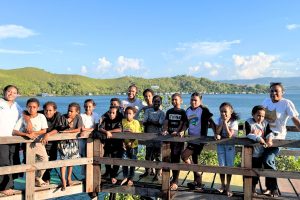
Helping Papuan Youth Build Personal Blogs and Online Catalogs with WordPress.com

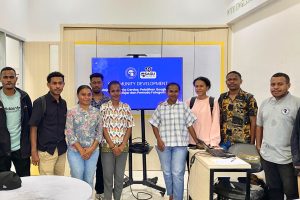
The digital gap in Papua continues to affect how young people engage with online tools for education, business, and creativity. This motivated me to initiate and lead a community development project titled “Learn WordPress Design: Creating Personal Blog & Online Product Catalog.” The goal was to help young people in Papua learn how to create their own websites using WordPress—whether as personal blogs or online catalogs for small businesses. The training was delivered in a hybrid format: 10 participants joined in person at the SAGU Foundation’s classroom, while 18 joined online via Zoom, making a total of 28 youth participants. To make the training inclusive, participants were selected based on gender and background, many coming from communities that had never been involved in SAGU activities before. The training was practical, beginner-friendly, and structured in step-by-step lessons to help participants design and manage their own WordPress websites. They learned how to open and use the WordPress.com platform, understood basic web design principles, created homepages, and added content for their online product catalogs.
As a web developer with over 10 years of experience helping organizations, businesses, and governments build their online presence, I’ve seen firsthand how many people still face barriers to accessing the digital world—limited internet, lack of digital tools, or no proper training. These challenges make it difficult for them to promote their products, ideas, or services online. To help address this gap, I started this project focused on digital learning. I chose WordPress.com as the platform because it’s free, easy to use, and doesn’t require coding skills, making it ideal for beginners. This training gave participants a practical first step toward building their digital presence.
At the end of the training, all participants shared that they gained new knowledge and skills, highlighting the strong impact of the program. Most participants said the materials were adequate and clearly presented by the instructor. Several suggested that future sessions be extended, as they felt the time was too short to cover everything in depth. Many also expressed interest in a follow-up class to continue improving their websites and developing their digital skills. This feedback highlights how valuable and needed this kind of digital literacy training is for the community, especially in helping bridge the digital gap in Papua.

One of the main challenges in this project was that some participants did not come with a clear idea or plan for their websites. At the start, we hoped that each person already had a goal in mind, such as building a personal blog or an online shop. But in reality, many still needed help thinking about their website’s content and purpose. This required extra time and support during the training sessions. This challenge taught us that some participants need more guidance in planning before starting a digital project.
As the project leader, I learned many useful things. One important lesson was about communication. Contacting participants before the training helped a lot in making sure they joined and were ready. I also learned that giving out digital certificates (PDF files) is a smart and simple solution. It saves money, is environmentally friendly, and can be shared easily online. Participants liked this method because they could directly use the certificate to support their job or training applications. Most importantly, I learned how valuable and empowering digital training can be for young people in Papua.
Thank you to the SAGU Foundation for giving me the opportunity to lead this free digital literacy training. It helped many participants and community members understand how to build a website using WordPress.com. This training was especially useful for participants from organizations or small businesses who already had websites but needed support to improve them. Many small businesses and community groups in Papua are active but still lack a strong online presence. Through this program, they received practical knowledge to create and manage their websites more effectively. Special thanks to Ms. Febe Worabay, Mr. Billy Rumbiak, and Mr. Melpen Yogi for their support in making this project possible. This training demonstrated that digital tools like WordPress can be both simple and powerful for supporting community development. I hope the participants will continue exploring digital platforms to grow their work and reach more people.
| Disclaimer:This article was written based on the author’s personal experience and knowledge during the implementation of the Learn WordPress Design: Create a Personal Blog Website & Online Product Catalog project. To improve clarity and accuracy in English grammar, AI assistance was used as a writing tool. All content and reflections remain the author’s own. |
Author :

IT Coordinator & Computer Literacy Tutor

You may also like
1-Day Training Workshop For GKI Sunday School Teachers